Laser hair reduction
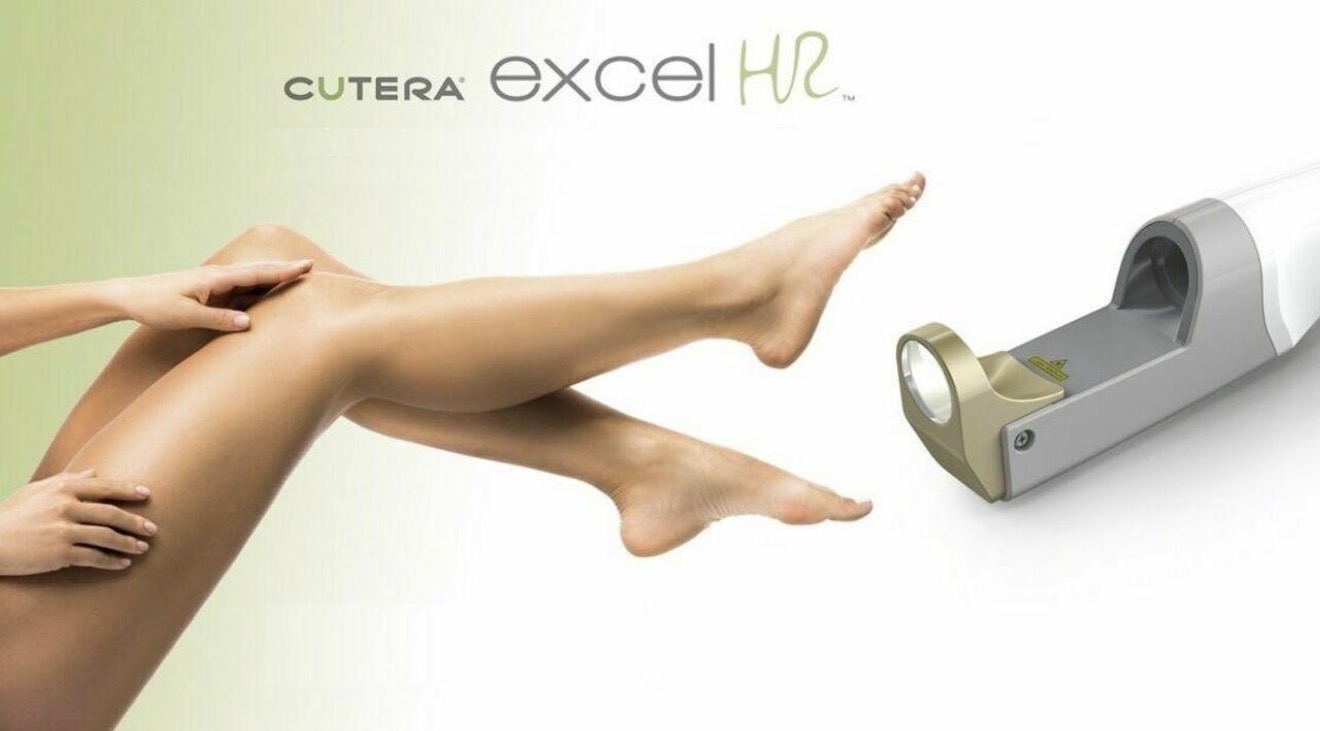
Cutera excel HR combines 755nm Alexandrite and 1064nm Nd:YAG technology, allowing treatment planning across different skin and hair presentations.
 VIP Client HubBook online
Tiverton Laser Clinic · At VIP Cosmedics
Laser is not one machine or one setting. Victoria brings around a decade of laser experience, VTCT Level 4 qualification, additional Level 4 and 5 study and manufacturer training to careful technology and parameter selection.
Book a consultation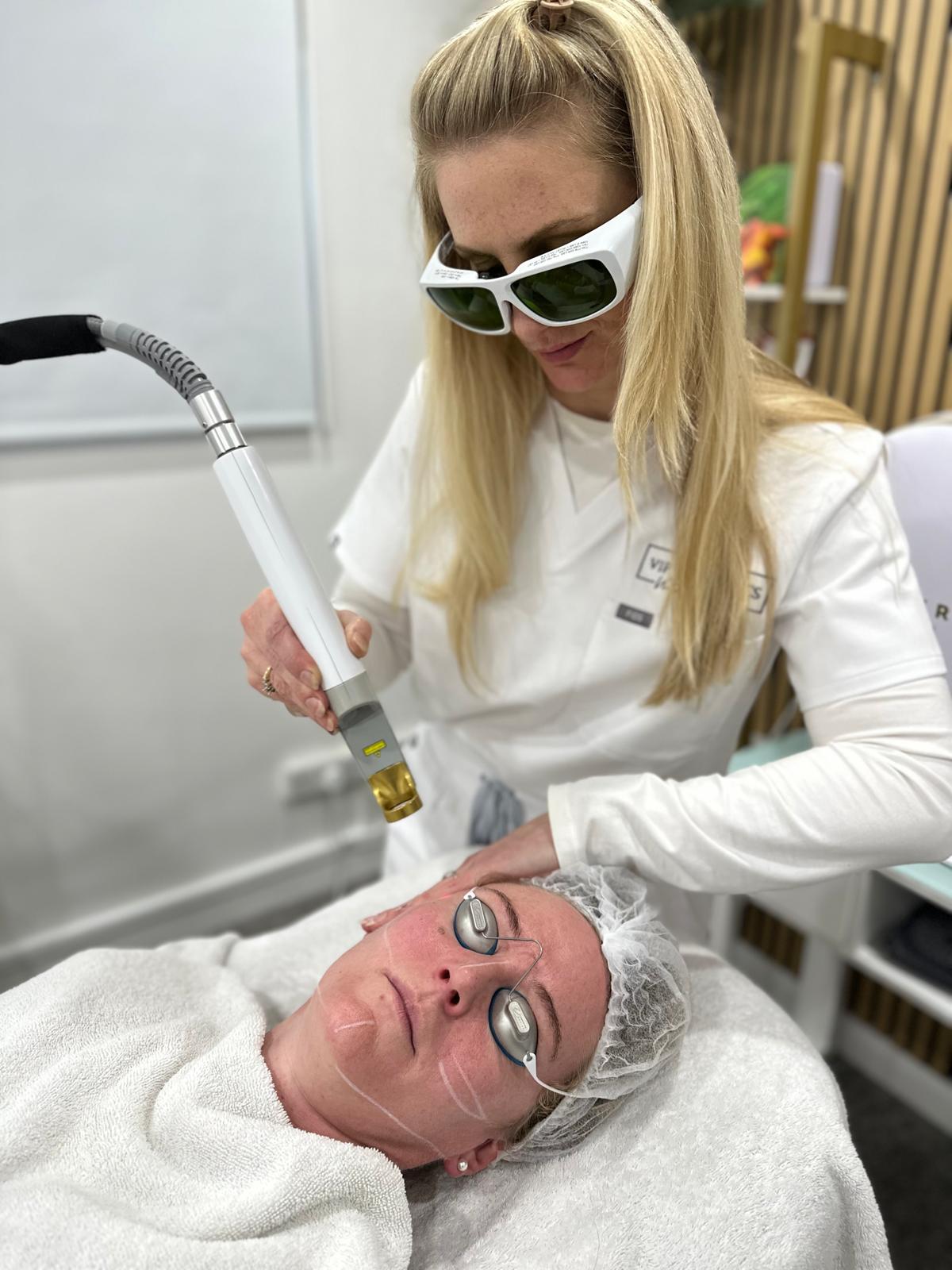
What we can help with
Cutera excel HR combines 755nm Alexandrite and 1064nm Nd:YAG technology, allowing treatment planning across different skin and hair presentations.
A no-downtime ‘Red Carpet Facial’ used for diffuse redness, rosacea-prone skin, texture, enlarged pores and pre-event skin preparation.
Selected visible vessels and pigment concerns may respond to targeted laser after correct diagnosis and test patching.
A Q-switched Nd:YAG treatment using a carbon mask for surface oil, congestion and exfoliation. Unlike Genesis, it is surface-focused rather than a gradual dermal heating treatment.
A separate Q-switched 532/1064nm Nd:YAG device is used for selected tattoo colours and depths.
Victoria has undertaken specific training with Lorena Öberg and Cheryl Booth for the added complexity of pigment close to the eye.
Our approach
Hair, pigment, vascular change and tattoo ink absorb light differently. Correct identification comes before device selection.
Skin type, tan, medication, hormones, previous response and post-inflammatory pigment risk are considered.
Patch testing and conservative parameter selection help establish tissue response before a course.
Laser hair and skin treatments usually require a course. Response is reviewed and settings adjusted safely over time.
Advanced laser technology
Our Cutera excel HR combines 755nm Alexandrite and 1064nm Nd:YAG wavelengths. This allows treatment to be selected around the client’s skin type, hair and safety rather than relying on a one-size-fits-all device.
Laser Genesis & rosacea
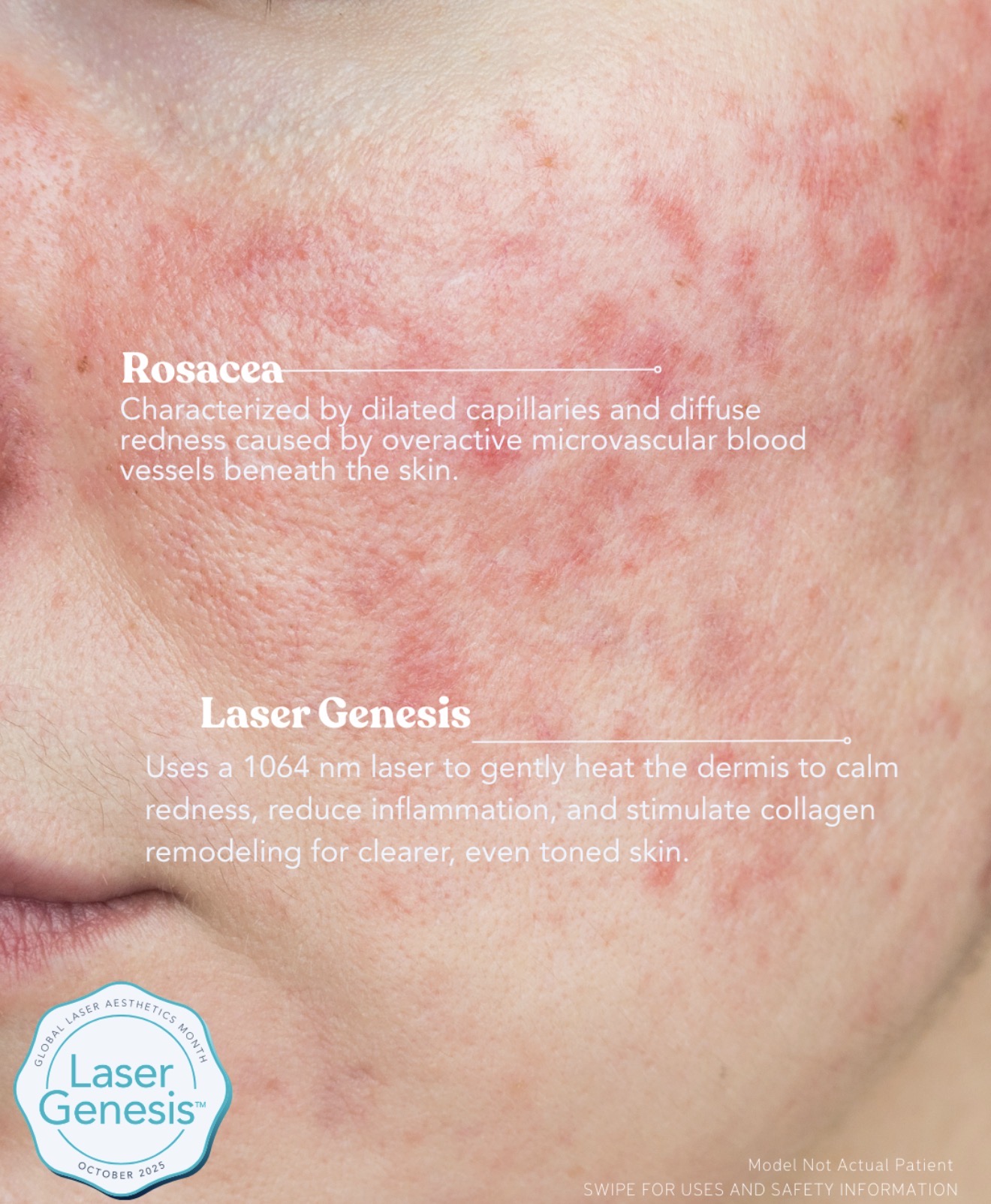
Laser Genesis uses gentle dermal heating to support redness, inflammation and collagen remodelling in appropriately selected rosacea-prone skin.
Treatment guide
Open a treatment to understand how it works, who it may suit and what responsible preparation and aftercare involve.
A medical-grade platform combines 755nm Alexandrite and 1064nm Nd:YAG wavelengths so treatment can be selected around skin type, hair and safety.
Progressive reduction of suitable dark, coarse hair and associated ingrown hairs or irritation.
Clients with treatable pigment in the hair. Grey, white, very blonde and some red hair will not respond; hormones and PCOS can affect outcomes.
Usually 6–8 sessions timed to the growth cycle, then occasional maintenance. Face and body intervals differ.
A patch test is required. No tan or fake tan; shave as directed, do not wax or pluck, and disclose medication, pregnancy, hormonal change and sun exposure.
Cool the area, avoid heat, exercise, fragranced products and UV exposure, and use SPF50. Do not pick or wax shedding hairs.
Temporary redness and follicular swelling are expected possibilities. Burns and pigment change are risks if tanning or medical changes are not disclosed.
Suitability, risks and expected outcomes are confirmed during consultation. Results vary between clients.
The Cutera Nd:YAG wavelength gently heats the dermis without removing the skin surface, supporting gradual collagen remodelling and vascular improvement.
Diffuse redness, rosacea-prone flushing, acne support, ruddy tone, enlarged pores, fine texture and pre-event luminosity.
Clients wanting progressive improvement with minimal downtime, after redness and pigment have been correctly assessed.
Usually a course of 5–6 treatments every 2–4 weeks, then maintenance. A single pre-event treatment can refresh but does not replace a corrective course.
Avoid tanning and disclose photosensitising medication, active infection, pregnancy and recent procedures. Arrive without heavy makeup.
Use gentle skincare and SPF50; avoid excessive heat, exercise and active products for the advised period.
Warmth and mild pinkness may occur briefly. Results build gradually; this is not the same treatment as a carbon facial.
Suitability, risks and expected outcomes are confirmed during consultation. Results vary between clients.
Selected vascular targets absorb laser energy, allowing visible facial or body vessels to be treated after diagnosis and patch testing.
Selected thread veins, facial vessels, diffuse redness and vascular concerns appropriate for the available wavelengths.
Clients with a confirmed benign vascular concern; unexplained lesions or symptoms require medical assessment first.
Often several treatments with intervals based on area and response. Some vessels clear quickly; others fade gradually or recur.
No tan, disclose medication and avoid recognised flushing triggers where possible. Do not camouflage the area heavily on treatment day.
Avoid heat, exercise, alcohol, hot showers and sun exposure initially. Use SPF50 and do not pick any crusting.
Redness, swelling, darkening or bruised-looking vessels can occur. Blistering, pigment change and scarring are recognised risks.
Suitability, risks and expected outcomes are confirmed during consultation. Results vary between clients.
Appropriate benign pigment can be targeted with selected laser energy, but correct diagnosis and melanogenic risk assessment come first.
Selected sun spots and superficial benign pigment, not every type of pigmentation or melasma.
Clients with stable, diagnosed pigment and a skin type suitable for the device. Melasma and post-inflammatory pigment need particular caution.
One or more sessions with healing intervals; recurrence and new sun damage are possible without ongoing protection.
A consultation and patch test are required. No tan; follow any pigment-suppressing preparation and disclose medication and recent treatments.
Do not pick darkened or crusted pigment. Use gentle repair care and strict daily broad-spectrum SPF50.
Pigment may darken before flaking. Redness, crusting, post-inflammatory darkening or lightening and scarring are possible.
Suitability, risks and expected outcomes are confirmed during consultation. Results vary between clients.
A carbon mask is applied before a Q-switched 1064nm Nd:YAG treatment, creating a surface-focused exfoliating and oil-absorbing effect.
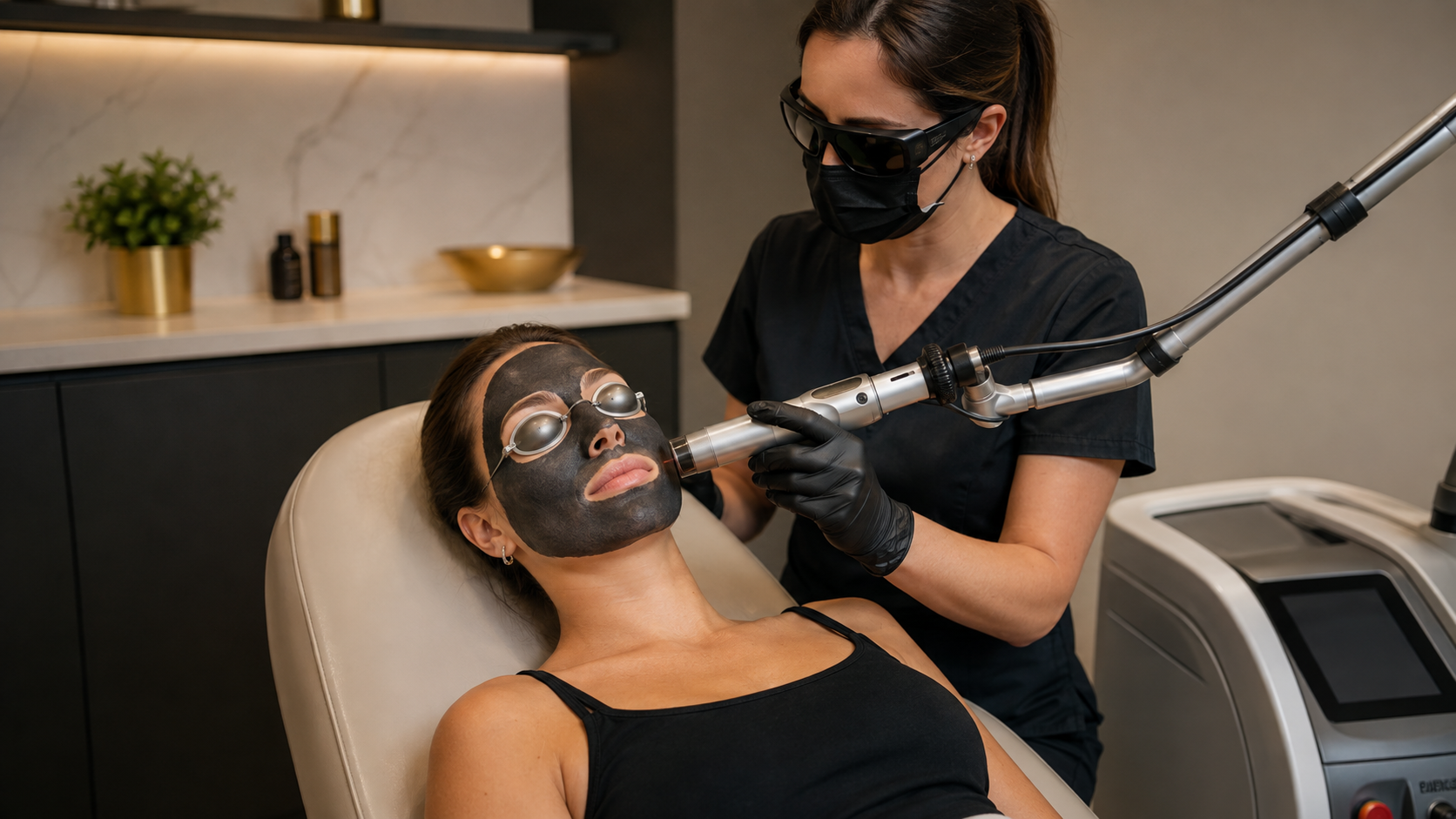
Oiliness, congestion, visible pores, superficial dullness and acne-supportive cleansing.
Clients wanting a clarifying surface treatment after suitability and pigment risk are assessed.
Can be used singly or in a course. For dermal redness and collagen, Laser Genesis may be more appropriate; the consultation distinguishes them.
Avoid tanning, strong exfoliation and active irritation. Disclose photosensitising medication, pregnancy and recent treatments.
Use gentle hydration and SPF50; avoid heat, exercise, active skincare and exfoliation for the advised period.
Usually mild redness or dryness. It is not a substitute for medical acne management or a deep resurfacing treatment.
Suitability, risks and expected outcomes are confirmed during consultation. Results vary between clients.
A separate 532/1064nm Q-switched Nd:YAG device fragments selected tattoo pigment so the body can clear it gradually.
Selected professional, amateur and permanent-makeup tattoo pigment depending on colour, depth and composition.
Clients prepared for a long course and uncertain ink response. Some colours and cosmetic pigments can darken or change colour.
Multiple sessions, commonly 8 or more, with long healing intervals. Complete removal cannot be promised.
A consultation and patch test are essential. Avoid tanning and disclose medication, pregnancy, keloid history and previous removal.
Cool and protect the area, keep it clean and dry as directed, do not burst blisters or pick crusts, and avoid heat, friction, swimming and sun.
Redness, swelling, pinpoint bleeding, blistering and crusting can occur. Pigment change and scarring are recognised risks.
Suitability, risks and expected outcomes are confirmed during consultation. Results vary between clients.
Laser removal close to the eye requires specialist training, correct eye protection and very careful assessment of pigment and anatomy.
Selected unwanted or migrated permanent eyeliner pigment where laser is clinically appropriate.
Only carefully assessed clients; pigment composition, placement, eye health and previous work can make treatment unsuitable.
A staged multi-session process with substantial healing intervals. Colour change, incomplete clearance and the need for alternative methods are discussed.
Provide treatment history, remove contact lenses and disclose eye conditions, surgery, medication and previous removal. Specialist ocular protection is mandatory.
Follow precise eye-area instructions, avoid makeup and contact lenses as advised, and report visual symptoms, increasing pain or infection urgently.
Significant swelling, redness, bruising or crusting can occur. This service follows specialist training with Lorena Öberg and Cheryl Booth.
Suitability, risks and expected outcomes are confirmed during consultation. Results vary between clients.
Suitability & safety
Laser can cause burns, blistering, pigment change, scarring or eye injury if used inappropriately. Recent tanning, photosensitising medication, pregnancy, active infection and uncertain lesions may prevent treatment. Protective eyewear, patch testing and honest disclosure are essential.